Raspberry Pi 5 – 8GB RAM
A 2-3x improvement in CPU performance
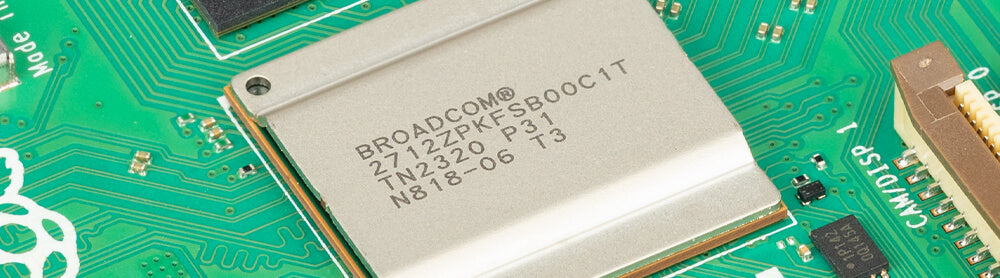
The latest 64-bit quad-core Arm Cortex-A76 processor powering Raspberry Pi 5 runs at 2.4GHz with cryptographic add-ons, 512KB L2 cache for each core and a combined 2MB L3 cache.
The latest Broadcom BCM2712 SoC (System on Chip) delivers up to a 200-300% performance boost compared to the previous Raspberry Pi generation.
Enhanced visuals with dual 4Kp60 display capabilities
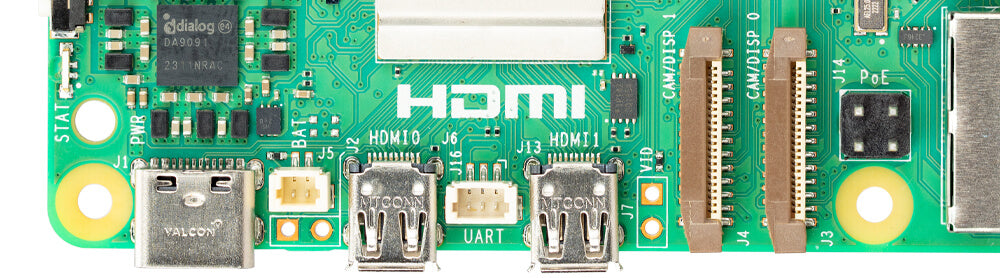
Raspberry Pi 5 boasts a substantial improvement in GPU performance, powered by the 800MHz VideoCore VII connected to the BCM2712 via PCI Express. This provides two 4Kp60 displays simultaneously over micro HDMI, resulting in a smooth user experience when using the internet or watching HD content.
Increased I/O performance with PCI-E support
This is the first Raspberry Pi computer featuring an in-house-developed silicon chip, offering complete functionality.
The RP1 "southbridge" of Raspberry Pi 5 brings a significant boost in peripheral performance and features
- USB aggregate bandwidth is increased by more than 100%, yielding increased transfer speeds to USB-attached storage drives and other fast peripherals.
- Peak MicroSD performance is enhanced due to support for the high-speed SDR104 mode.
- PCI Express 2.0 single-lane interface facilitates full-bandwidth peripherals.
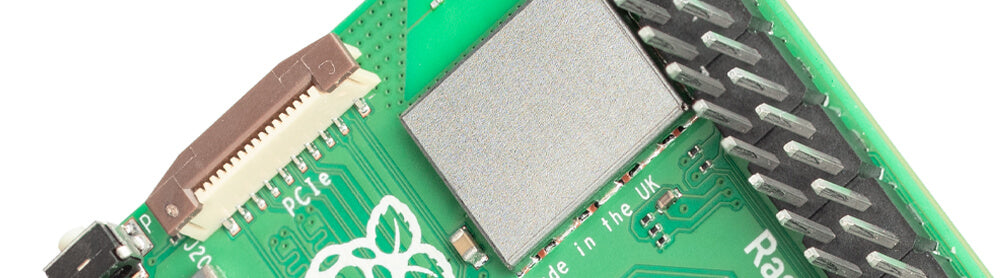
The Raspberry Pi 5 features two CSI/DSI ports for dual camera and display connectivity
The RP1 comes with two four-lane 1.5Gbps MIPI transceivers, increasing total bandwidth threefold and providing dual CSI/DSI ports capable of connecting any two cameras or displays.
The introduction of 8GB RAM and the refinements of the Raspberry Pi Image Signal Processor (ISP) provide improved images and a broadened range of potential industry projects. The Raspberry Pi 5 offers a renewed connection to commercial and industrial ventures.

Inclusion of a power button for ease of use
Makers and enthusiasts have been seeking a dedicated power button on the Raspberry Pi for a prolonged period - and the Raspberry Pi 5 model finally provides this desirable advantage!
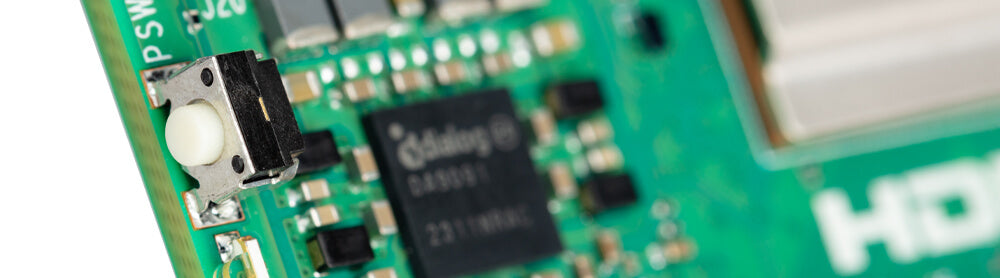
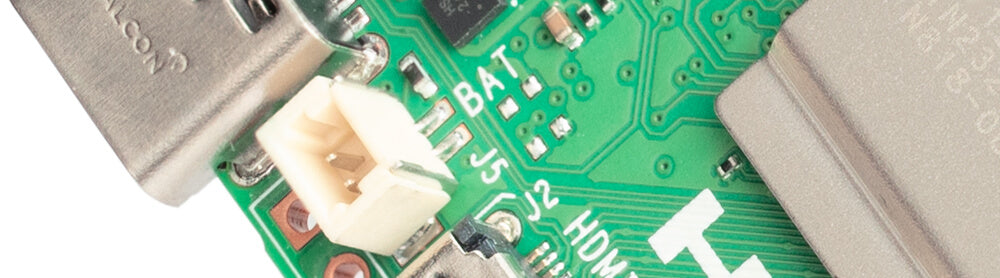
An onboard real-time clock (RTC) keeps track of the date and time
An on-board RTC ensures accurate time/date info is maintained, even when the device is powered off or not connected to the web (when a backup battery is attached).
An additional header has been included on the board to support an external Real Time Clock (RTC) battery (battery not included). A lithium battery with the necessary connector will be available with, or shortly after, the launch ofRaspberry Pi 5.
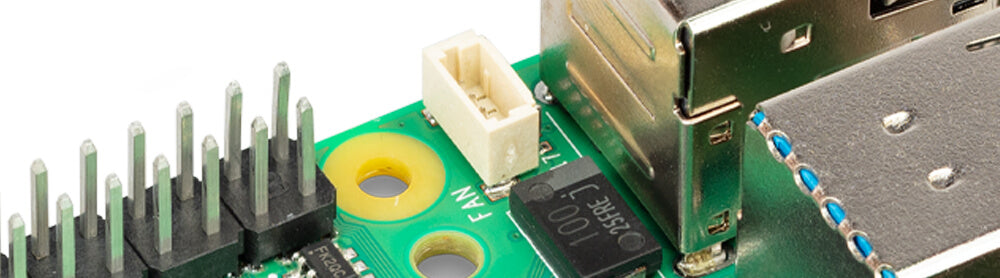
A dedicated header for cooling fan installation
Raspberry Pi 5 features a newly dedicated fan header on the right of the GPIO pin header, enabling users to run a fan without obstructing the GPIO-connected devices. This allows for the integration of HATs and other hardware without the need for complicated setup for fan connection.The Raspberry Pi 5 case and the Active Cooler incorporate the JST fitting specifically for the header.
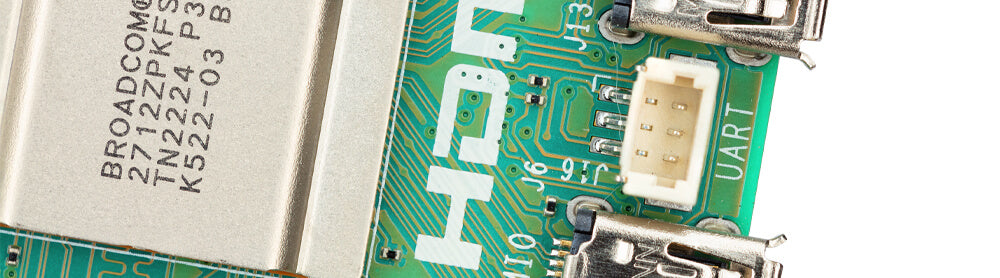
A dedicated UART header is provided
Raspberry Pi 5 features a dedicated UART header, allowing users to debug and manage their Raspberry Pi without the need for GPIO interrupts.
This UART header provides debugging from startup, and pairs well with the Raspberry Pi Debug probe for streamlined debugging.
- Mounting holes for coolers/heatsinks
- Composite video header
- Memory indication markers for easy board RAM identification
- Unique board ID number on the board and packaging
- Relocated PoE header
- Audio jack removed
- Flush(ish) underside to GPIO pins
- Metal supporting tabs to protect components on the underside
Original: $197.33
-70%$197.33
$59.20


Description
A 2-3x improvement in CPU performance
The latest 64-bit quad-core Arm Cortex-A76 processor powering Raspberry Pi 5 runs at 2.4GHz with cryptographic add-ons, 512KB L2 cache for each core and a combined 2MB L3 cache.
The latest Broadcom BCM2712 SoC (System on Chip) delivers up to a 200-300% performance boost compared to the previous Raspberry Pi generation.
Enhanced visuals with dual 4Kp60 display capabilities
Raspberry Pi 5 boasts a substantial improvement in GPU performance, powered by the 800MHz VideoCore VII connected to the BCM2712 via PCI Express. This provides two 4Kp60 displays simultaneously over micro HDMI, resulting in a smooth user experience when using the internet or watching HD content.
Increased I/O performance with PCI-E support
This is the first Raspberry Pi computer featuring an in-house-developed silicon chip, offering complete functionality.
The RP1 "southbridge" of Raspberry Pi 5 brings a significant boost in peripheral performance and features
- USB aggregate bandwidth is increased by more than 100%, yielding increased transfer speeds to USB-attached storage drives and other fast peripherals.
- Peak MicroSD performance is enhanced due to support for the high-speed SDR104 mode.
- PCI Express 2.0 single-lane interface facilitates full-bandwidth peripherals.
The Raspberry Pi 5 features two CSI/DSI ports for dual camera and display connectivity
The RP1 comes with two four-lane 1.5Gbps MIPI transceivers, increasing total bandwidth threefold and providing dual CSI/DSI ports capable of connecting any two cameras or displays.
The introduction of 8GB RAM and the refinements of the Raspberry Pi Image Signal Processor (ISP) provide improved images and a broadened range of potential industry projects. The Raspberry Pi 5 offers a renewed connection to commercial and industrial ventures.
Inclusion of a power button for ease of use
Makers and enthusiasts have been seeking a dedicated power button on the Raspberry Pi for a prolonged period - and the Raspberry Pi 5 model finally provides this desirable advantage!
An onboard real-time clock (RTC) keeps track of the date and time
An on-board RTC ensures accurate time/date info is maintained, even when the device is powered off or not connected to the web (when a backup battery is attached).
An additional header has been included on the board to support an external Real Time Clock (RTC) battery (battery not included). A lithium battery with the necessary connector will be available with, or shortly after, the launch ofRaspberry Pi 5.
A dedicated header for cooling fan installation
Raspberry Pi 5 features a newly dedicated fan header on the right of the GPIO pin header, enabling users to run a fan without obstructing the GPIO-connected devices. This allows for the integration of HATs and other hardware without the need for complicated setup for fan connection.The Raspberry Pi 5 case and the Active Cooler incorporate the JST fitting specifically for the header.
A dedicated UART header is provided
Raspberry Pi 5 features a dedicated UART header, allowing users to debug and manage their Raspberry Pi without the need for GPIO interrupts.
This UART header provides debugging from startup, and pairs well with the Raspberry Pi Debug probe for streamlined debugging.
- Mounting holes for coolers/heatsinks
- Composite video header
- Memory indication markers for easy board RAM identification
- Unique board ID number on the board and packaging
- Relocated PoE header
- Audio jack removed
- Flush(ish) underside to GPIO pins
- Metal supporting tabs to protect components on the underside